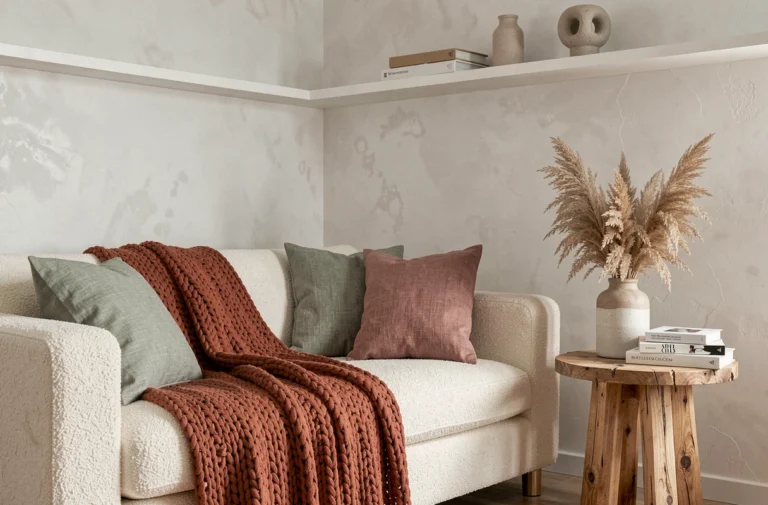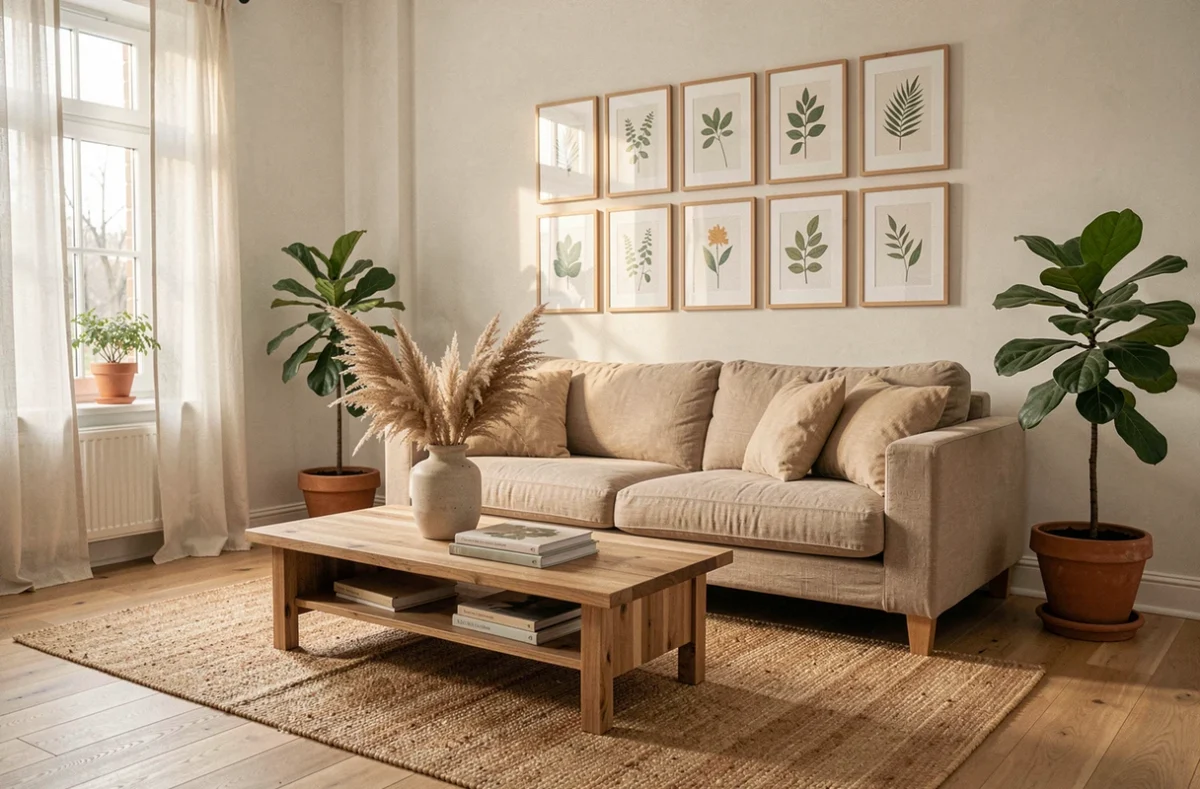
In France, interior design choices are shaped by constraints that go beyond personal taste. Air quality, a home’s energy performance and condominium rules all affect the real scope of a decorating project. Creating an interior that reflects who you are starts with understanding these factors before choosing a wall color or a sofa.
Indoor air quality and your choice of decorating materials
Paints, varnishes, adhesives and some new furniture release volatile organic compounds (VOCs) for weeks after installation. The French “Emissions dans l’air intérieur” label, which is mandatory for construction and decorating products, rates these emissions from A+ (very low) to C (high).
This rating changes how you choose materials. A wall covering rated C can worsen the air quality in an enclosed room, especially in winter when ventilation is reduced. Choosing A+-rated products reduces exposure to VOCs without compromising on style, as the range available in this category has expanded considerably.
Ventilating the room after installation is still essential, even when using low-emission products. In an apartment without mechanical ventilation, this can affect your renovation schedule: it’s best to paint when you can leave the windows open for several hours a day.
Browsing Tip Top Déco et Maison’s home section, you’ll see that health concerns are now part of interior design considerations, alongside style and budget.

Home energy performance: when renovation comes before decorating
The Climate and Resilience Act sets a strict timetable for landlords. Since January 1, 2025, homes rated G on the energy performance certificate can no longer be rented out. Homes rated F will be affected from 2028, followed by those rated E from 2034.
For a homeowner planning to refresh their interior, these deadlines can turn priorities upside down. Investing in new living room furniture while the walls still need insulating means decorating a space that will soon be a construction site. The logical order is to address the building envelope (insulation, windows and heating) before choosing decorative finishes.
Condominiums: decisions beyond your control
In an apartment building, external insulation, replacing a communal heating system or renovating the roof requires a vote at a condominium general meeting. Even a motivated owner can be blocked by a collective refusal.
This reality has a direct impact on interior design. When external insulation isn’t an option, some owners compensate with internal insulation, which reduces the usable floor area by a few centimeters per wall. A room’s layout may need to change after internal insulation work. A custom-made piece of furniture ordered beforehand may no longer fit.
Personalized interior style: how to move beyond fleeting trends
Magazines and social media showcase appealing interiors, but they’re often styled for the camera. An all-white, minimalist living room may look beautiful on screen and feel cold in everyday life. Starting instead with your actual habits leads to more lasting results.
Three questions can help you define your personal style without simply copying others:
- Which room do you spend the most time in, and what do you actually do there (read, eat, work, play with children)? Function comes before appearance.
- Which materials feel comfortable to you in everyday use? A corduroy sofa and a smooth leather sofa feel very different, regardless of their color or shape.
- How much natural light does each room get? A wall color that works in a south-facing living room may make a north-facing bedroom feel darker.
Style comes from how you use a space, not from recreating an image. A cohesive interior doesn’t require every object to belong to the same design movement. Each item simply needs a reason to be where it is.
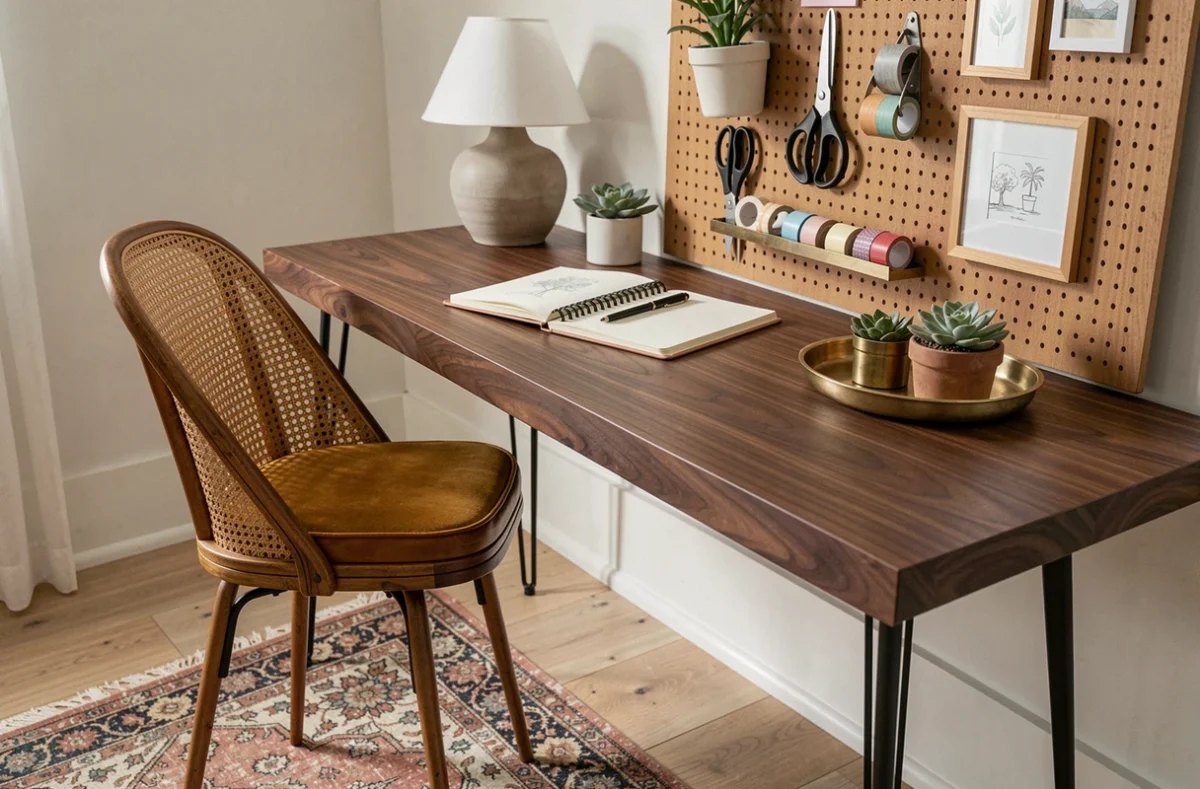
Color and lighting: two ways to transform how a space feels
You shouldn’t choose a wall color from a paint chart laid out on a table. Test it directly in the room, at different times of day. A warm shade (terracotta, ochre) absorbs natural light and makes a space look smaller. A cool shade (blue-gray, sage green) opens up the view, but can look dull under yellow artificial lighting.
Artificial lighting dramatically changes how colors look. A warm-temperature bulb (around 2,700 kelvins) gives colors an orange cast. A cool-temperature bulb (above 4,000 kelvins) shifts them toward blue. Testing a paint sample under the room’s final lighting helps avoid unpleasant surprises.
Use multiple light sources instead of a single ceiling fixture
A single central light flattens the room and creates unflattering shadows. Spreading several light sources around the space (a reading lamp, wall sconce and indirect LED strip) lets you adjust the mood throughout the day.
This approach works on a modest budget. Replacing a ceiling fixture with two table lamps and a wall sconce doesn’t necessarily cost more, but it changes how you see the furniture and wall colors.
- An adjustable reading lamp beside the sofa creates a cozy spot without lighting the whole room.
- Indirect lighting behind a low cabinet adds depth to a dark wall.
- A low-hanging pendant above the dining table visually defines the dining area, even in an open-plan living space.
Interior design isn’t just a matter of taste. Health-related constraints around materials, energy renovation deadlines and condominium rules all shape the options available, so it’s worth understanding them before buying your first can of paint. An interior that reflects who you are is also one whose practical renovation constraints you understand.