Fitness encompasses a range of physical practices aimed at improving the overall condition of the body. Cardio, strength training, flexibility: these three pillars work together to enhance both physical and mental health. To truly benefit from these activities, it is essential to understand how the body reacts to effort and to adjust one’s progression accordingly.
Sedentary Lifestyle and Fitness: Two Distinct Issues to Address Separately
Have you ever noticed that fatigue persists even on days when you train, if the rest of your day is spent sitting? This observation is not trivial. The time spent sitting poses a risk in itself, independent of lack of exercise. Doing a fitness session in the morning does not compensate for eight consecutive hours in a chair.
Public health recommendations clearly distinguish between combating sedentary behavior and engaging in sports. Specifically, interrupting sitting every thirty to forty-five minutes (walking, stretching, climbing stairs) complements the work done in the gym or at home. Without this habit, some of the fitness benefits on the cardiovascular system diminish.
For those who wish to discover fitness on Mon Coach Sportif en Ligne, this distinction changes how one organizes their day: the training program is just one piece of the puzzle.
Building Your First Fitness Sessions Without Skipping Steps
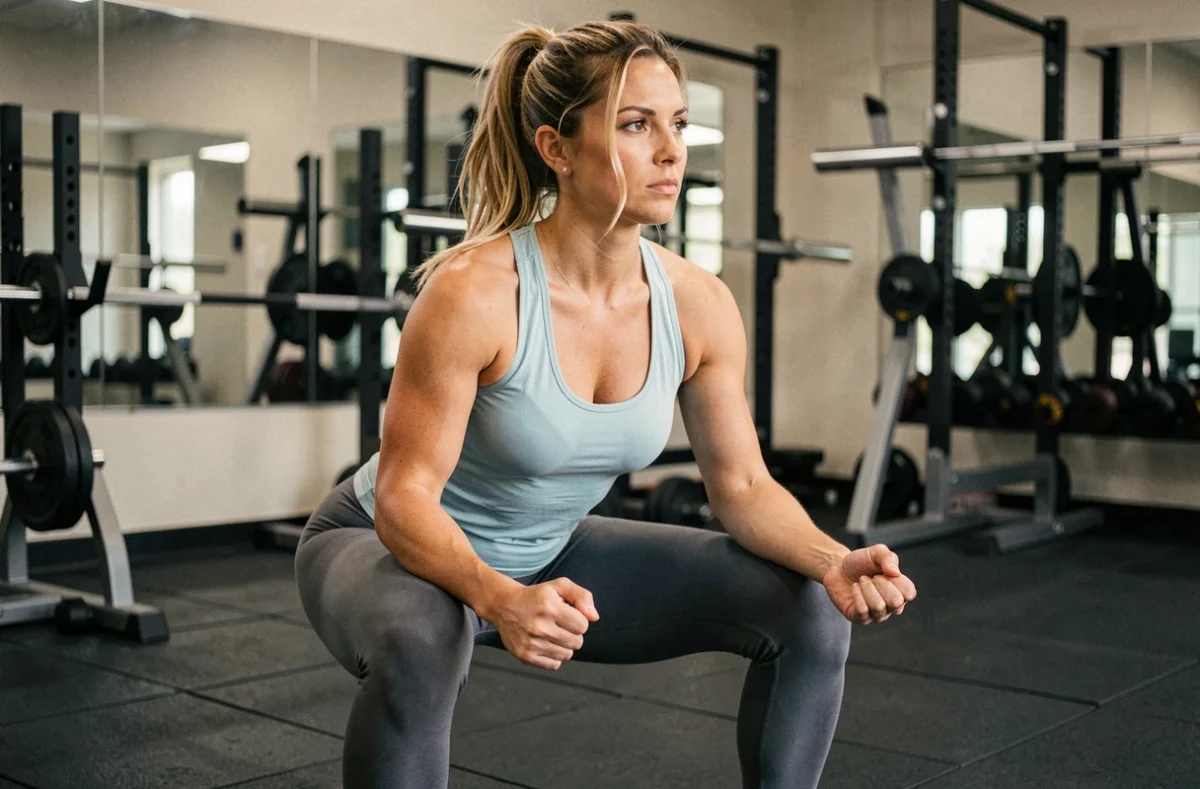
Starting fitness is not just about randomly choosing a group class. The priority is to learn the fundamental movements before seeking intensity. A poorly executed squat for weeks creates compensations that the body will take a long time to correct.
The Movements to Master First
Three families of exercises form the foundation of strength training:
- Push movements (push-ups, shoulder press) that engage the upper body and teach core stabilization during effort
- Pull movements (rowing, assisted pull-ups) that rebalance posture, especially for those who work in front of a screen
- Leg movements (squats, lunges) that engage the largest muscle groups and stimulate overall metabolism
During the first weeks, two to three sessions per week are sufficient. The body needs time to strengthen tendons and ligaments, not just muscles. Increasing the load too quickly exposes one to joint injuries, which are the leading cause of dropout among beginners.

Integrating Cardio Without Separating It from Strength
Cardio training improves endurance and heart health. Brisk walking, cycling, jumping rope: the choice depends on the joints and personal preferences. The common belief that one must “do cardio to lose weight and strength training to tone up” oversimplifies reality.
A circuit training session that alternates strength exercises and active phases produces both muscle work and a cardiovascular effect. This format is particularly suitable for tight schedules, as a single session covers both objectives.
Progressing in Fitness: Signals to Monitor Rather Than the Mirror
Progress is not measured solely by physical appearance. The first benefits of fitness are felt before they are seen: better sleep, quicker recovery after climbing stairs, less tension in the back at the end of the day.
Why do these indicators matter more than the weight on the scale? Because strength training can stabilize or even slightly increase body weight while reducing fat mass. Relying solely on the scale can be discouraging.
The Role of Flexibility and Mobility
Stretching remains underestimated in fitness programs. Working on flexibility after each session reduces stiffness and improves range of motion. For people over fifty, adding balance exercises prevents falls and effectively complements traditional strength training.
A few minutes of targeted stretching for the hips, shoulders, and hamstrings are sufficient. This is not an optional bonus: it is an integral component of long-term fitness practice.
Adapted Physical Activity: An Overlooked Option for Some Beginners
Not everyone wanting to start fitness begins from the same point. In France, adapted physical activity (APA) can be prescribed by a doctor, even beyond just long-term conditions. This prescription leads to specific guidance, more gradual than a standard group class.
A practical point deserves mention: the prescription of APA does not guarantee reimbursement by Social Security. According to France Assos Santé, coverage remains uneven across the territory. Local funding or certain mutual insurance plans may cover part of the costs, but it is advisable to inquire before committing.
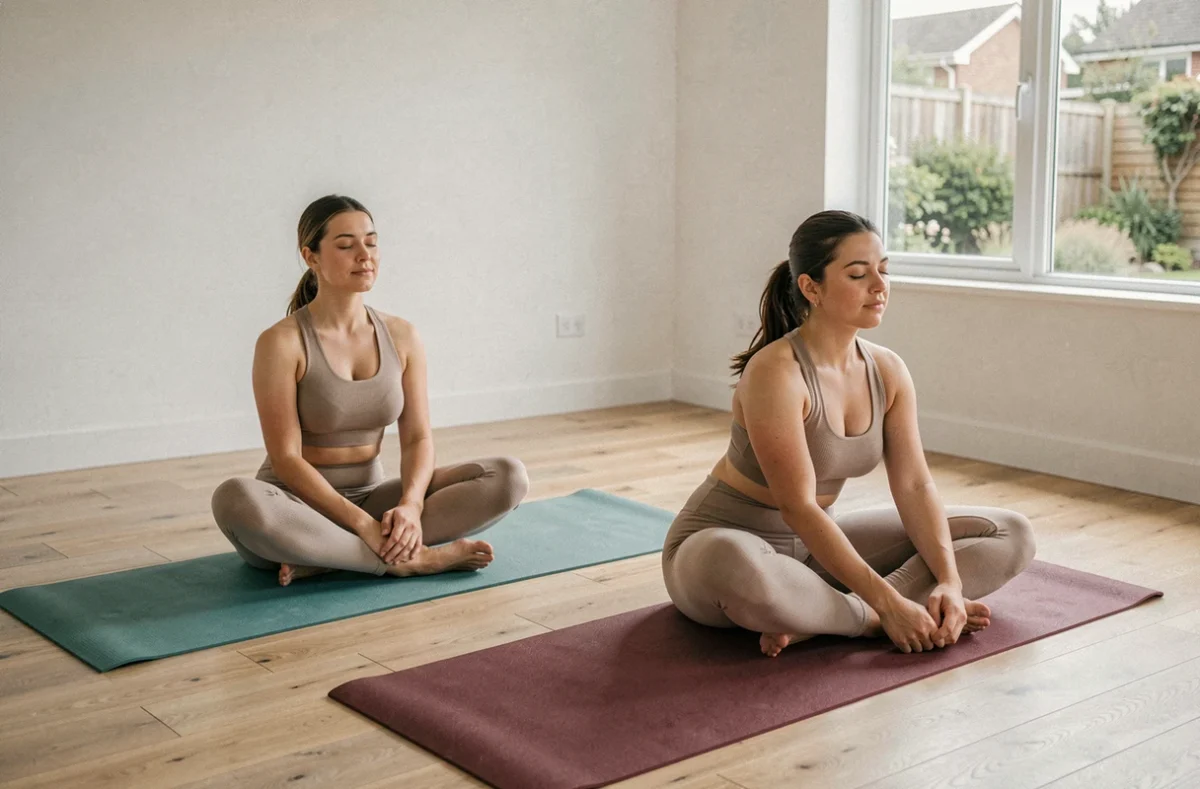
For those concerned, this path offers a secure framework that avoids common beginner mistakes. Guidance from a professional trained in APA makes the difference between an adapted program and a generic program found online.
Staying the Course: What Distinguishes a Habit from a Passing Enthusiasm
Regularity matters more than intensity. Three moderate sessions per week yield more results over six months than an intense daily workout abandoned after three weeks. The enjoyment felt during effort plays a direct role in consistency.
Varying activities helps maintain engagement. Alternating strength sessions, cardio, and flexibility activities (yoga, stretching, mobility) prevents monotony and engages the body in a balanced way. Choosing disciplines that bring joy remains the best lever for regularity.
Fitness does not need to be spectacular to be effective. A regular, technically sound practice that respects recovery times and fits into a less sedentary day produces lasting effects on health, sleep, and mood, well before visible results appear in a mirror.