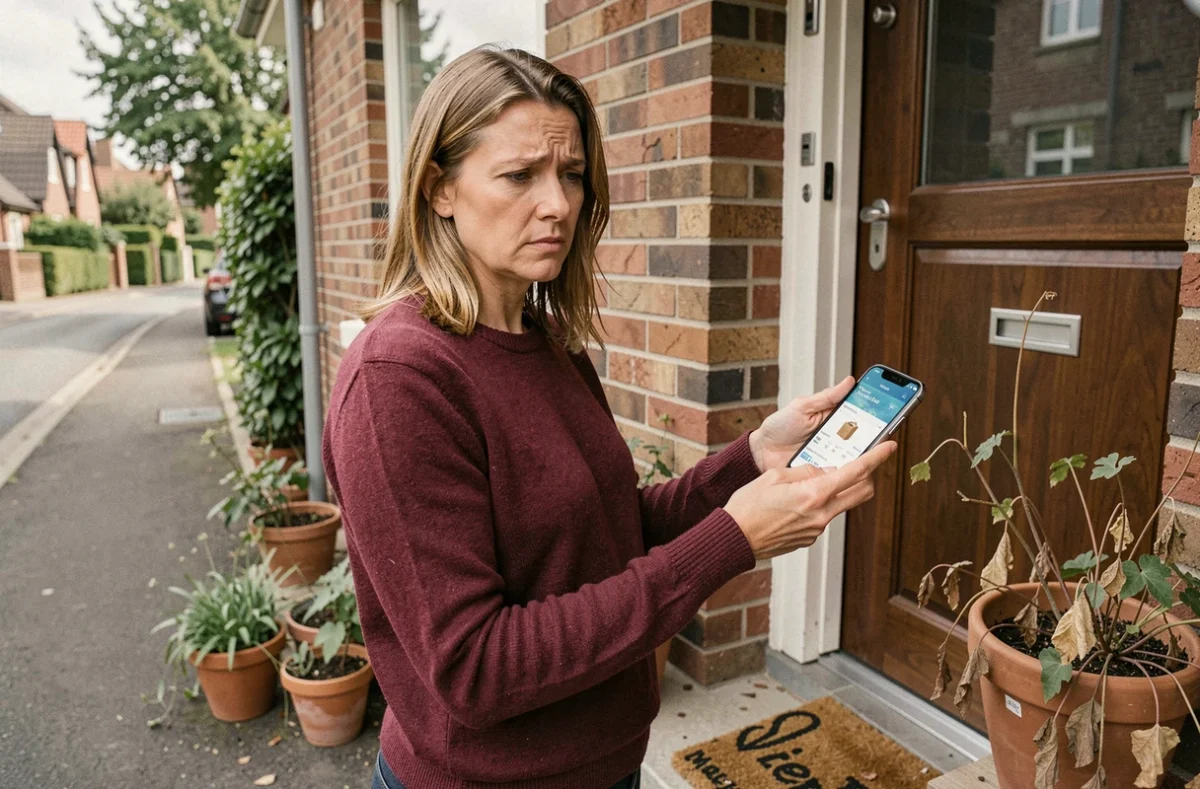
A GLS package has been showing the status “in delivery” for several days without any updates. This blockage corresponds to what the transport sector calls a delivery delay: the package has not been delivered within the timeframe initially communicated by the seller or sender. Before making multiple calls, the first step is to identify who is actually responsible and what levers to activate depending on the situation.
Seller’s Responsibility and Not GLS’s
A common reflex is to contact GLS directly to make a complaint. This reflex often wastes time in most online purchase cases.
When a package is purchased from a professional, the seller remains legally responsible for delivery until the package is effectively handed over. Even if they outsource the transport to GLS, it is they who must answer for the delay or non-delivery. The sales contract binds the buyer to the seller, not to the carrier.
This distinction changes the complaint strategy. Rather than waiting for a response from GLS customer service, the request should be addressed to the seller, reminding them of their obligation to fulfill the contract properly. You can find the GLS steps on The Living Web to understand the different tracking statuses and identify at what stage the package is blocked.
The situation differs for a shipment between individuals. In this case, it is the sender who has concluded the transport contract with GLS. The recipient cannot open a complaint directly with the carrier: they must ask the sender to intervene.

Formal Notice and Contract Resolution for GLS Delay
When the GLS tracking remains blocked and the seller does not offer a concrete solution, consumer law provides for a specific procedure. It does not start with a cancellation, but with a formal notice.
Granting a Reasonable Additional Deadline
The consumer must first ask the seller to deliver within a new timeframe. This request takes the form of a letter or a traceable email that sets a deadline. The “reasonable” nature of the deadline depends on the type of product and the chosen delivery method, but a few working days are generally sufficient.
If this second deadline passes without delivery, the consumer can then resolve the contract. The resolution is not a simple cancellation: it entails specific obligations for the seller.
Refund and Legal Increases
The seller has fourteen days to refund after the contract resolution. Beyond this period, progressive legal increases automatically apply. This mechanism, provided for by the Consumer Code, acts as a pressure lever without judicial recourse.
Here are the steps to follow in order:
- Contact the seller in writing (email or registered mail) asking them to deliver within an additional timeframe that you set
- If the deadline expires without delivery, notify the resolution of the contract in writing, reminding them of your right to a refund within fourteen days
- Keep all evidence: screenshots of GLS tracking, exchanges with the seller, order date, and promised delivery date
- In the absence of a refund within the legal timeframe, mention the increases provided by law in a new follow-up
Direct Complaint to GLS France
In some cases, contacting GLS remains relevant, especially to unblock a physically immobilized package at an agency or to report an incorrect address.
GLS France provides a non-premium rate number (09 74 910 910) and an online tracking tool that allows you to modify delivery information: specify an address, report an absence, or redirect the package to a pickup point.
The options for collection in case of delivery problems at home are multiple:
- GLS Relays, partner businesses where the package remains available for eight working days
- GLS Lockers, automated lockers accessible without human interaction
- Neighbor Relays (Pickme network), individuals who receive the package and organize the pickup with the recipient
For bulky packages, only pickup points marked “XL” accept this type of shipment. This information appears when searching for a pickup point on the GLS website.
Mediation and Recourse in Case of Ongoing Dispute with GLS
If the seller does not respond or refuses the refund after the formal notice, consumer mediation is the next step. Mediation is only admissible after a first written complaint that has gone unanswered satisfactorily. It must be initiated within a year following this complaint.
The competent mediator is the one designated by the seller, not by GLS. Their name and contact details are included in the general terms and conditions of the merchant’s site. The procedure is free for the consumer and results in a proposed solution that both parties can accept or refuse.
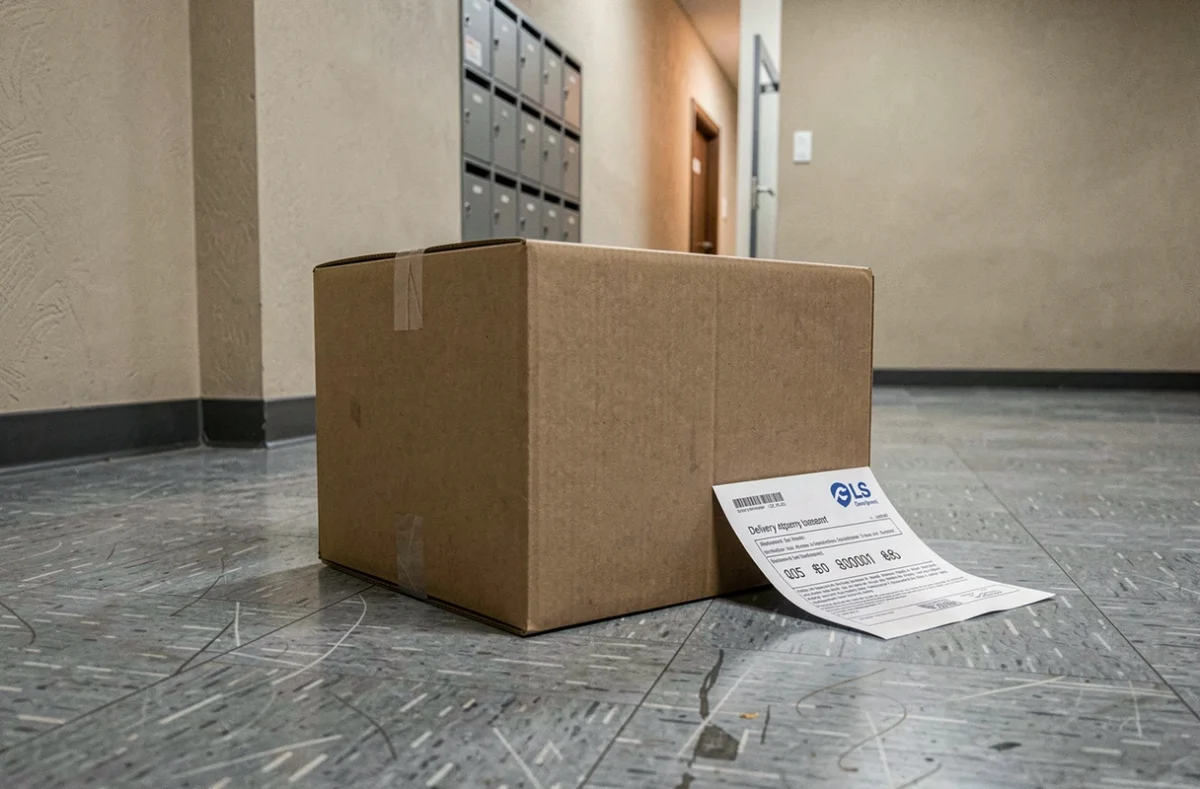
One last point to keep in mind: fraudulent messages imitating GLS are multiplying. Any SMS or email asking for bank details or inviting you to click on a payment link to “unlock” a delivery should be ignored. GLS recommends sending a screenshot to their dedicated address ([email protected]) and then deleting the message. The actual status of a package can only be verified on the official GLS website with the tracking number.